


What our digital footprint actually says about the story we are telling
The Narrative Behind the Data: Your Digital Footprint
We often think of our digital footprint as a technical trail—a collection of cookies, search histories, and login timestamps. However, in the world of online reputation management, we view it through a different lens. Your digital footprint is the living, breathing story of who you are, what you value, and how you conduct business. It is the biography you are writing in real-time, whether you realize it or not.
Every time you post a comment, share an article, or get mentioned in a news story, you add a sentence to that biography. For potential clients, employers, and partners, this narrative is often the first—and sometimes only—impression they have of you. At Todd Shapiro Associates, we believe that understanding the story your digital footprint tells is the first step toward mastering your public relations strategy.
Understanding the Narrative Your Data is Telling
Before you can change your story, you must first understand the one currently being told. When someone searches for your name or your brand, they aren’t just looking for facts; they are looking for a vibe, a level of expertise, and a sense of reliability. Here is how your digital footprint translates into a narrative:
The First Page of Google: Your Table of Contents
Think of the first page of search results as the table of contents for your life. If the first few links are professional profiles and industry awards, the story is one of success and authority. If the results are dominated by old social media posts or irrelevant mentions, the story feels disorganized or stagnant. Worse yet, if negative news or reviews appear, they become the central conflict of your narrative.
Social Media: The Daily Journal
While search results offer the big picture, social media provides the day-to-day context. Your activity on platforms like LinkedIn, X (formerly Twitter), and Instagram tells a story about your personality. Are you helpful? Are you argumentative? Are you consistent? Even a lack of activity tells a story—it might suggest that you aren’t keeping up with modern trends or that your business is no longer active.
How to Audit Your Digital Footprint: A Step-by-Step Guide
Taking control of your story starts with a practical audit. You cannot manage what you do not measure. Follow these steps to see what the world sees:
- Search in Incognito Mode: Standard search results are often skewed by your own browsing history. Open an incognito or private window to see a neutral view of what others see when they search for your name.
- Analyze Your Visuals: Switch to the 'Images' and 'Videos' tabs. Often, an old, unflattering photo from a decade ago can pop up and contradict the professional image you are trying to project today.
- Check Your Mentions: Use tools like Google Alerts to see where your name is being mentioned on blogs, forums, or news sites. This helps you identify stories you didn't write but are now a part of.
- Review Privacy Settings: Look at your personal social media accounts. If a stranger can see your private family photos, that is a chapter of your story you might want to keep behind closed doors.
Practical Tactics for Shifting the Narrative
If you find that your digital footprint doesn’t quite match the story you want to tell, don’t panic. The digital world is fluid, and you have the power to edit your narrative. Here is how to begin curating a more intentional presence:
1. Lead with Value-Driven Content
The best way to change a story is to write a better one. Start publishing content that reflects your current expertise. Whether it is a blog post on industry trends or a well-reasoned LinkedIn update, fresh, positive content will eventually rise to the top of search results, pushing older, less relevant stories down.
2. Align Your Professional Profiles
Consistency is the hallmark of a professional story. Ensure your bio, headshot, and mission statement are consistent across all platforms. When your LinkedIn profile matches your company website and your guest speaking bios, it reinforces a narrative of stability and clarity.
3. Engage with Intentionality
Every interaction is a public record. Before hitting 'send' or 'post,' ask yourself: "Does this comment align with the story I want people to tell about me?" Practical reputation management isn't just about big PR moves; it's about the small, daily choices to be professional and helpful online.
Why Your Digital Story Matters in 2025
In an era where trust is the most valuable currency, your digital footprint is your credit score for credibility. People are no longer satisfied with what a brand says about itself in an advertisement; they want to see the trail of evidence left behind in the digital space. A clean, professional, and engaging digital footprint tells the world that you are transparent, active, and trustworthy.
At Todd Shapiro Associates, we specialize in helping individuals and brands bridge the gap between who they are and how they appear online. Managing your digital footprint isn't about hiding the truth; it's about ensuring that the story being told is the most accurate and polished version of your professional journey.
Final Thoughts: Consistency is Key
Your digital footprint is never truly finished. It is a work in progress that requires regular maintenance. By taking a practical approach—auditing your results, curating your content, and engaging with purpose—you can ensure that when someone looks you up, they find a story worth reading. Remember, if you don't tell your story, the internet will tell it for you. Make sure you're the one holding the pen.


How to keep customer trust after your company has a data breach
The Myth of the 'Clean' Data Breach Response
The standard corporate response to a data breach is a masterclass in how to lose friends and alienate customers. We’ve all seen the template: a delayed notification, a sanitized press release filled with passive voice—'information was accessed'—and a pathetic offer of one year of credit monitoring. If this is your plan, you aren’t managing a crisis; you’re managing your own obsolescence. In the world of reputation management, I’ve seen that the cover-up, or even the perception of a delay, is far more damaging than the hack itself.
Trust isn’t a fragile glass ornament that breaks once; it’s a currency. When you lose data, you’ve spent your customers' currency without their permission. To get it back, you can’t just apologize; you have to over-deliver on honesty in a way that makes your legal team uncomfortable. Most companies fail because they prioritize minimizing legal liability over maximizing human trust. That is a fatal strategic error.
Why Your Legal Team is Killing Your Reputation
When a breach occurs, the first people in the room are usually the lawyers. Their job is to mitigate risk, which typically involves saying as little as possible for as long as possible. While that might work in a courtroom, it is poison for your brand’s public perception. In the court of public opinion, silence is an admission of guilt, and 'no comment' is an insult to the people whose lives you’ve just complicated.
I argue that the most successful post-breach recoveries happen when leadership has the backbone to push back against the 'wait and see' legal approach. Your customers don’t care about your internal investigation timelines. They care about their identity theft risk. If you wait three weeks to 'verify the scope' while their data is being traded on the dark web, you have effectively told them that your corporate ego is more important than their personal security.
The Radical Transparency Mandate
If you want to keep customer trust, you must adopt a policy of radical transparency. This doesn't mean dumping raw data logs on the internet; it means being the primary source of truth for the disaster. If the media reports the details of your breach before you do, you’ve lost the narrative. Once you lose the narrative, you’re no longer a victim of a cybercrime—you’re a villain in a cover-up.
The 'Human First' Communication Hierarchy
Stop writing for shareholders and start writing for the person whose credit card just got compromised. Your communication strategy should follow a strict hierarchy of needs:
- Immediate Acknowledgment: Tell them what you know the moment you know it, even if 'what you know' is incomplete.
- The 'Me' Factor: Explicitly state what this means for the individual customer. Don't bury the lead in a paragraph about your commitment to security.
- Clear Action Items: Give them a checklist of what to do next. Don't make them hunt for it.
- Direct Accountability: Use 'we' and 'I.' The CEO should be the face of the response, not a faceless 'support team.'
Restitution Must Feel Like an Over-Correction
The standard 'one year of free credit monitoring' has become a joke. It is the corporate equivalent of a 'thoughts and prayers' tweet. It’s the bare minimum, and your customers know it. If you want to actually rebuild trust, your restitution needs to feel like an over-correction. It needs to cost you enough that the customer believes you are actually sorry.
Consider what it would look like if a company offered identity theft insurance for life, or a dedicated 24/7 concierge line specifically for breach victims that wasn't outsourced to a generic call center. When you make the restitution painful for the company, it signals to the market that you have skin in the game. It proves that you’ve learned a lesson. Anything less is just a line item in your insurance policy, and customers can smell that lack of sincerity from a mile away.
Turning the Crisis into a Competitive Advantage
It sounds counterintuitive, but a data breach is an opportunity to prove your brand’s values are more than just slogans on a breakroom poster. Most companies are 'fine' when things are going well. You find out what a company is really made of when the servers are down and the headlines are screaming. I believe that a company that handles a breach with radical honesty and aggressive restitution can actually emerge with higher brand loyalty than before the incident.
Why? Because you’ve survived a 'stress test' of the relationship. When you show up, take the hit, and fix the problem without making excuses, you demonstrate a level of integrity that your 'un-hacked' competitors haven't had to prove yet. You become the brand that can be trusted even when things go wrong.
Non-Negotiable Steps for Post-Breach Survival
- Fire the Script: Throw away the PR templates. Speak like a human being who is talking to a friend whose trust they broke.
- Own the Timeline: If you discovered the breach on Tuesday, don't wait until Friday to 'package' the news. Release it Tuesday.
- Over-Invest in Security Publicly: Don't just fix the hole; show the world the new vault you're building. Make your post-breach security measures a cornerstone of your future marketing.
- Accept the Criticism: You are going to get dragged on social media. Don't delete comments. Don't get defensive. Listen, acknowledge, and improve.
Final Thoughts
Keeping customer trust after a data breach isn't about technical wizardry or clever PR spin. It’s about character. If your company culture is built on a foundation of 'protecting the brand at all costs,' you will fail. But if you build a culture that prioritizes the customer’s well-being over your own quarterly earnings report, you’ll find that people are remarkably forgiving. They don't expect you to be perfect, but they do expect you to be honest. Don't let your legal department or your fear of a stock dip talk you out of your integrity.

Why pushing down negative search results actually works better than deleting them
The Digital Echo: Why We Seek to Erase the Past
In the modern age, our names are no longer just spoken; they are searched. Whether you are an individual navigating a career or a brand steering a global enterprise, your digital footprint acts as a persistent mirror, reflecting a version of yourself to the world. Often, that mirror catches a stray shadow—a negative article, a misguided review, or an old piece of news that no longer reflects who you are today. Our first instinct, born of a desire for a clean slate, is to reach for the 'delete' button. We want the blemish gone, scrubbed from the archives of the internet as if it never existed.
However, as we at Todd Shapiro Associates have observed through years of strategic reputation management, the quest for total erasure is often a pursuit of a ghost. The internet is designed to remember, and its architecture is surprisingly resistant to the vacuum. This brings us to a deeper realization: the most effective way to manage a digital reputation isn't always to fight the past, but to outshine it. Pushing down negative search results—a process known as suppression—is often more sustainable, more authentic, and ultimately more powerful than the attempt to delete them.
The Fragility of Deletion: A Quest for a Ghost
The desire to delete negative content is understandable. It feels like justice; it feels like closure. Yet, the technical and legal reality of the web is rarely so accommodating. Unless a piece of content is demonstrably defamatory, illegal, or violates specific platform terms of service, removing it is an uphill battle. Search engines like Google are libraries, not publishers; they index what exists elsewhere. To delete a result, you must convince the original source to take it down—a feat that can often draw more unwanted attention to the very thing you wish to hide.
The Streisand Effect and the Risk of Resistance
There is a psychological phenomenon known as the Streisand Effect, where the very act of attempting to suppress or remove information backfires, causing it to go viral. When we fight too hard to erase a digital footprint, we sometimes signal that there is something worth hiding, inviting deeper scrutiny. This combative stance can turn a fading headline into a renewed controversy. Reflection teaches us that resistance often fuels the fire, whereas redirection allows the flames to die down naturally.
The Art of Dilution: Building a New Digital Horizon
If deletion is an act of war against the past, suppression is an act of creation for the future. Pushing down negative results involves the strategic cultivation of high-quality, positive, and authentic content that naturally rises to the top of search engine results pages (SERPs). It is about changing the conversation rather than trying to silence it. By populating the first page of Google with your current achievements, your values, and your contributions, you create a narrative that is so compelling and authoritative that the negative noise is relegated to the background.
This approach works because it aligns with how humans—and algorithms—interact with information. Most users rarely venture past the first page of search results. By filling that space with truth and substance, you aren't just hiding a flaw; you are defining your identity on your own terms. This shift from a defensive posture to a proactive one is where true reputation resilience is built.
Why Suppression Wins the Long Game
- SEO Authority: By creating new assets—such as professional profiles, thought leadership articles, and media features—you build a 'moat' of authority around your name that is difficult for a single negative result to penetrate.
- Narrative Control: Suppression allows you to tell the full story. A single negative article is a snapshot; a collection of diverse, positive content is a biography.
- Permanence through Volume: The internet is vast. When you consistently produce value, the sheer volume of your positive contributions eventually outweighs the singular instances of negativity.
- Psychological Peace: There is a profound shift in mindset when you move from 'fixing a problem' to 'building a legacy.' It allows for growth and evolution.
The Power of New Narratives
At Todd Shapiro Associates, we believe that reputation management is an introspective journey. It requires us to look at the digital landscape not as a minefield, but as a garden. If a weed pops up, you can try to pull it out, but the soil remains. However, if you plant vibrant, deep-rooted trees and flowers, the weeds eventually lose their access to the sun. They become irrelevant, lost in the shadows of a flourishing ecosystem.
Suppression works because it respects the intelligence of the audience. Today’s digital consumer is savvy; they understand that no person or brand is perfect. When they search for you and find a wealth of recent, impactful, and professional content, a lone negative result from years ago loses its sting. It becomes a footnote rather than the headline. It shows that you have moved forward, and in the eyes of the world, moving forward is the most convincing form of growth.
Moving Forward: Embracing a Proactive Narrative
Ultimately, the choice between deleting and pushing down is a choice between looking backward and looking forward. Deletion is a reactive struggle against what has already happened. Suppression is a proactive investment in what is happening now and what will happen tomorrow. It is the practice of intentional storytelling, ensuring that when the world looks for you, they find the version of you that is most true to your current self.
In the realm of public relations and online reputation, silence is rarely the answer. Instead, the answer lies in resonance. By creating a digital presence that resonates with integrity, expertise, and value, we don't just hide the shadows—we bring the entire landscape into the light. This is why pushing down negative results isn't just a technical tactic; it is a philosophical commitment to being the primary author of your own story.

Public Relations vs. Marketing: What Your Business Really Needs
In today's hyper-connected world, brands can no longer afford to rely on a one-size-fits-all approach to audience engagement. The lines between public relations (PR) and marketing are increasingly blurred, yet the two disciplines serve distinct strategic purposes. To maximize ROI, businesses must understand the fundamental differences—and unique advantages—of each.
Understanding the Core: PR vs. Marketing
Public Relations focuses on reputation, credibility, and long-term trust. It’s about shaping narratives, managing public perception, and building relationships with media, stakeholders, and the public.
Marketing, on the other hand, is directly tied to driving sales, boosting product visibility, and generating measurable ROI through promotional tactics like advertising, content creation, and campaigns.
Key Differences That Matter
| Feature | Public Relations | Marketing |
|---|---|---|
| Goal | Reputation Management | Revenue Generation |
| Audience | Media, Influencers, Public | Customers & Prospects |
| Message | Earned Media, Organic Exposure | Controlled, Paid Promotion |
| Tools | Press Releases, Media Outreach, Thought Leadership | Social Media Ads, Email Campaigns, SEO |
| Timeline | Long-Term Brand Building | Short-to-Mid-Term Sales Cycle |
When Your Business Needs PR
- Crisis Management: When your brand faces negative attention or public scrutiny.
- Brand Building: To establish trust, thought leadership, and industry authority.
- Media Coverage: You want organic press mentions, interviews, and features.
PR is essential when perception and trust are core to your strategy. It doesn’t sell directly—but it creates the environment where people want to buy from you.

When Marketing Is the Priority
- Product Launches: You need rapid awareness and direct conversion.
- Revenue Growth Goals: Clear targets for sales, lead generation, or traffic.
- Customer Engagement: You're nurturing leads, running ads, and tracking analytics.
Marketing is ideal for controlled, targeted messaging with predictable outcomes.
Why You Likely Need Both
Successful brands integrate PR and marketing into a unified strategy. PR supports the long game building trust and credibility while marketing drives measurable action. When aligned, these two forces compound each other’s impact. For example:
- PR gets you featured in Forbes Marketing amplifies that coverage via ads.
- PR lands you a keynote speech Marketing uses it in lead funnels.
Final Take: Strategy First, Tools Second
It’s not about choosing PR or marketing. It’s about understanding what your business needs right now and where you're heading. If you're launching a new product, marketing might take the lead. If you're navigating public scrutiny or establishing a premium brand image, PR becomes your frontline.
For those interested in learning more about Knexx Local, this resource provides valuable insights and information on the topic.
When your brand faces unexpected public scrutiny, implementing strategic methods for managing a PR disaster can help protect your long-term reputation and credibility.

Crisis Communication: 7 Proven Tactics for Managing a PR Disaster
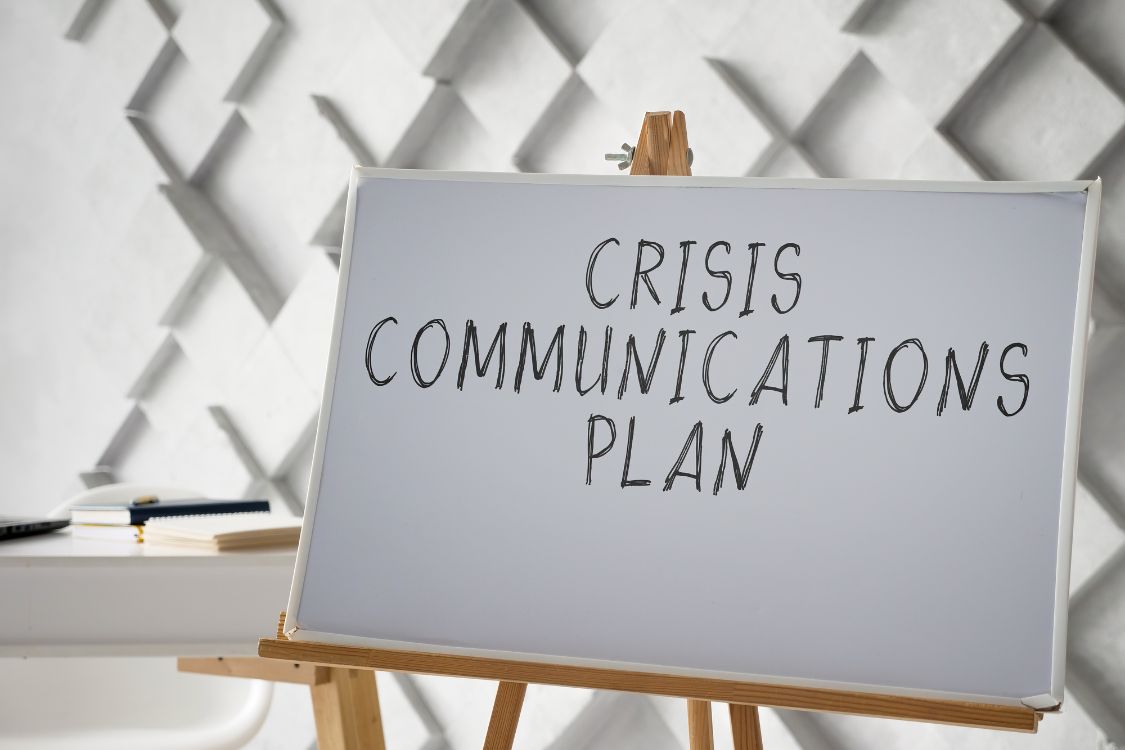
In today’s hyperconnected world, a single misstep can trigger a media storm capable of damaging even the most well-established brands. Whether it’s a product recall, executive scandal, data breach, or social backlash, a PR disaster can quickly spiral out of control. That’s why every organization must have a crisis communication strategy that’s fast, transparent, and grounded in proven best practices.
Here are 7 battle-tested tactics that brands should use to manage and recover from a PR crisis in 2025:
1. Act Fast, but Not Recklessly
Speed is critical in the early hours of a crisis. But that doesn’t mean rushing with a half-baked statement. The key is to quickly acknowledge the situation, confirm that you're investigating, and commit to updates as facts emerge. Timely responsiveness shows leadership and can diffuse speculation before it escalates.
2. Centralize Communication Through a Designated Spokesperson
Mixed messages only intensify public confusion and erode trust. Designate one credible spokesperson to speak on behalf of the brand. This ensures clarity, consistency, and controlled messaging across all media platforms.
3. Be Transparent, Even When It’s Uncomfortable
Attempting to downplay or spin the truth in the digital age is a dangerous game. Today’s audience expects radical transparency. Admit faults when necessary, explain what you know (and what you don’t), and outline the steps you're taking to fix the issue. This authenticity builds trust, even in adversity.
4. Own the Narrative Before Someone Else Does
In a PR crisis, silence creates a vacuum and that vacuum will be filled by speculation, misinformation, or hostile narratives. Control the story early by providing factual, timely updates. Proactive media engagement and real-time social listening can keep the brand in control.
5. Prepare Pre-Crisis Playbooks
The best crisis management starts long before the crisis hits. Develop communication playbooks for likely scenarios complete with pre-approved messaging frameworks, media lists, escalation protocols, and internal notification systems. This preparation saves critical hours and reduces panic.
6. Monitor & Respond on All Channels
Today’s crises unfold on every platform news outlets, social media, Reddit, forums. Use monitoring tools to track sentiment and respond with agility. A misjudged tweet or viral TikTok comment can reignite a controversy if left unchecked. Multichannel engagement is no longer optional it’s essential.
7. Turn Recovery Into Rebuilding
Once the dust settles, the work isn’t over. A post-crisis debrief should focus on what went wrong, what worked, and how the organization can rebuild its reputation. Share what was learned, implement new safeguards, and turn the crisis into a catalyst for long-term brand resilience.
Conclusion: Resilience Is a Communication Asset
In 2025 and beyond, public relations is about more than visibility it’s about credibility under pressure. A well-managed crisis doesn’t just mitigate fallout; it can strengthen public perception and reinforce your brand’s integrity.

How to Build Media Relationships That Actually Get You Coverage
In a digital-first world oversaturated with content and competition, landing meaningful media coverage isn’t just about sending a press release—it’s about building authentic, long-term relationships with journalists, editors, and influencers. At Todd Shapiro Associates, we’ve spent decades mastering the art of media relations. Here’s how your brand can build strong connections that consistently lead to real exposure.
1. Understand What Journalists Actually Need
Most pitches fail because they’re tone-deaf. Reporters don’t want fluff—they want relevance. Before you pitch, research the journalist’s beat, recent stories, and editorial style. Then tailor your angle to match their needs, not your agenda. Relevance earns respect—and results.
2. Offer Value, Not Just a Story
Instead of simply promoting a product or announcement, offer exclusive data, expert commentary, or access to thought leaders. Media outlets are hungry for substance, and if you become a reliable source of insight, you’ll be top-of-mind when they’re on deadline.
3. Consistency Beats One-Off Outreach
Forget the “pitch and vanish” strategy. True media relationships are built over time. Follow journalists on social media, engage with their work, and provide value consistently—even when you’re not promoting anything. Relationship equity pays off during crunch time.
4. Make Their Job Easier
Every second counts in a newsroom. When you pitch, include all the essentials: a tight headline, clear summary, high-quality visuals, quotes, and contact info. The easier you make it for them to run your story, the more likely they will.

5. Be Transparent and Trustworthy
Credibility is everything. Don’t oversell, mislead, or dodge tough questions. Media professionals remember who played straight with them—and who didn’t. Trust builds access; access builds influence.
6. Leverage Social Proof and Case Studies
Journalists want to cover companies that others are already talking about. Use prior coverage, testimonials, or relevant third-party endorsements to boost your credibility. It’s easier to open doors when there’s a buzz behind you.
7. Develop a Personal PR Rolodex
While mass email blasts still exist, they’re largely ineffective. Building a curated, targeted list of media contacts aligned with your niche or industry ensures your message gets into the right hands. Focused relationships outperform broad reach every time.
8. Respond Fast—Really Fast
If a journalist reaches out, respond in minutes, not hours. Media timelines are unforgiving, and the first to respond usually gets the story. Assign someone on your team to monitor and manage PR leads in real time.
Final Thought: Relationships Over Transactions
True media coverage isn’t bought—it’s earned. At Todd Shapiro Associates, we believe the future of PR lies in cultivating human relationships over transactional interactions. By becoming a go-to resource for the media, your brand can secure sustained visibility, authority, and relevance in 2025 and beyond.

Top 10 Public Relations Strategies Every Brand Should Be Using in 2025
In a hyper-connected, algorithm-driven world, public relations (PR) is no longer just about press releases or crisis control. In 2025, PR is a dynamic blend of storytelling, data, authenticity, and omnichannel presence. Brands that want to dominate the conversation need to move beyond traditional tactics and embrace a new arsenal of modern PR strategies.
Here are the top 10 PR strategies every brand should be using to stay relevant, credible, and competitive this year:
1. Data-Driven Storytelling
Forget fluff journalists and consumers want proof. Use proprietary data, industry insights, and real-time analytics to build stories that are not just interesting but irrefutable. Brands that back their narrative with numbers stand out in a saturated media landscape.
2. Proactive Reputation Management
In 2025, the brands that thrive are the ones that build reputation before a crisis hits. Proactively monitor your online presence, use sentiment analysis tools, and engage in transparent communication long before your name trends for the wrong reasons.
3. Strategic Thought Leadership
Establishing your leadership team as subject matter experts is critical. Publish op-eds, secure speaker spots at major conferences, and leverage platforms like LinkedIn to position executives as authoritative voices. Thought leadership isn’t optional anymore it’s reputation currency.
4. Hyper-Targeted Media Relations
Stop pitching blind. Use media databases, journalist beat tracking, and AI-driven personalization to craft pitches that resonate. Quality over quantity wins in 2025—secure fewer but more impactful placements with journalists who actually care.
5. Influencer PR Partnerships
Move beyond social media sponsorships and into strategic influencer collaborations. Work with micro and nano influencers who align with your brand values to co-create stories, not just content. This adds credibility and reach in one move.
6. Owned Media Optimization
Control your own narrative. Your website, blog, and social platforms are more than channels—they're trust-building assets. Invest in SEO-optimized content, behind-the-scenes videos, and regular updates that humanize your brand and drive search visibility.
7. Crisis-Ready Messaging Systems
Every brand is one tweet away from chaos. In 2025, PR strategy must include a real-time crisis protocol: message templates, approval hierarchies, media holding statements, and social listening tools to respond immediately before the story owns you.

8. Purpose-Led Brand Campaigns
Consumers demand authenticity. Build campaigns around your brand’s values, impact, and community involvement. PR isn't just about getting noticed—it’s about being remembered for standing for something.
9. Multimedia Press Kits and Virtual Newsrooms
Journalists expect more than a PDF. Offer rich media press kits with video, imagery, quotes, and brand guides. Maintain a live newsroom on your website that hosts the latest updates, media contacts, and downloadable assets in real time.
10. AI-Enhanced PR Analytics
Guesswork is dead. Use AI tools to track earned media ROI, predict audience sentiment, and optimize content strategies. Brands that invest in machine learning for PR gain a measurable edge in both reputation and reach.
Final Word from Todd Shapiro Associates
At Todd Shapiro Associates, we’ve been setting the standard in public relations for decades. Our forward-thinking approach blends classic PR acumen with digital-first execution, ensuring our clients don’t just survive the media cycle they own it.